
Quail can be a wonderful alternative to chickens for the urban homesteader. Quail are smaller, quieter, and generally all around the easier poultry choice. Classified as game birds, these tiny but mighty animals lay nutritious eggs and can be a productive meat source for your family.
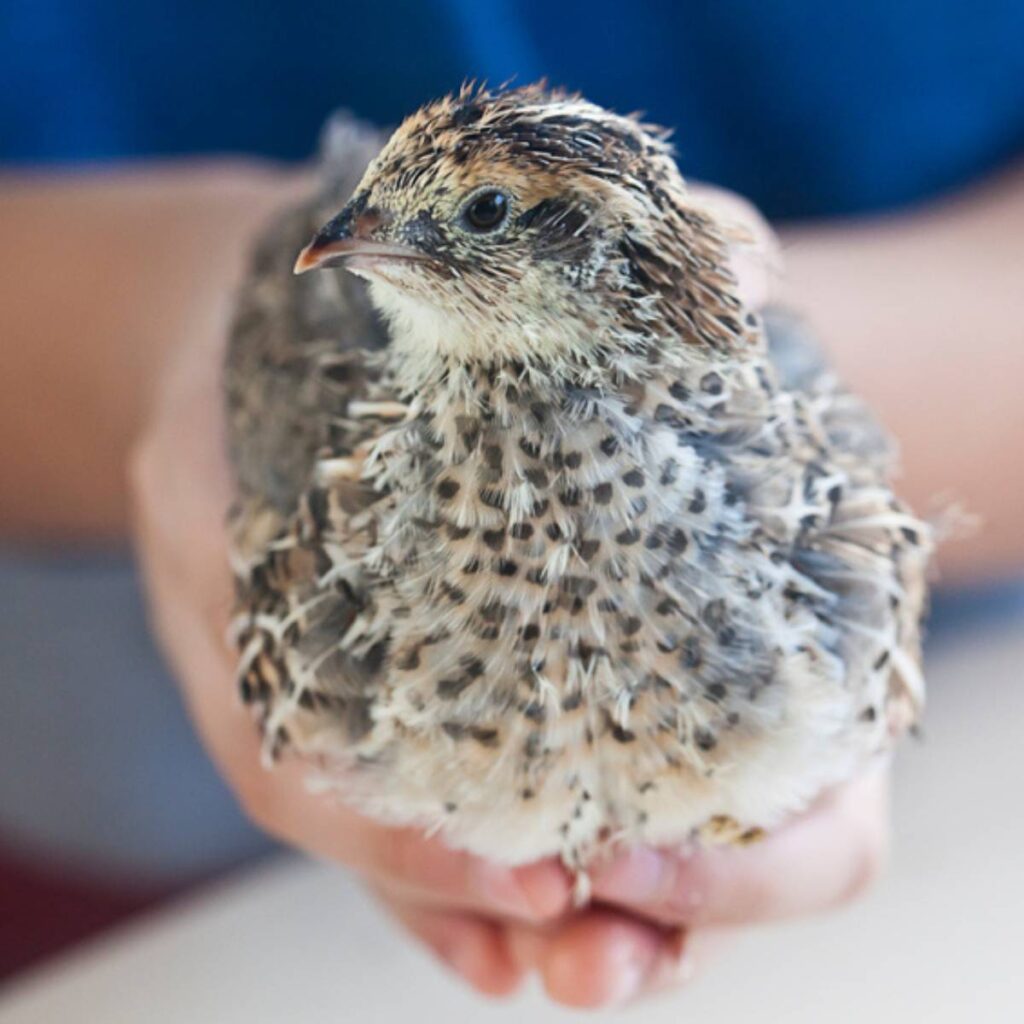
Quail are small
While there are many breeds of quail, Coturnix quail are a popular choice amongst homesteaders. These guys are still much smaller than chickens, but slightly larger than other breeds of quail. This is important when you’re considering adding quail for egg or meat production. It takes approximately 3 coturnix quail eggs to equate to a single chicken egg.
Because of their size they don’t need a ton of space to thrive. Quail need only 1 square foot per bird, while chickens need 4 square feet of coop space, plus a run. Quail are prey animals to basically everything, so they don’t necessarily love having a run.
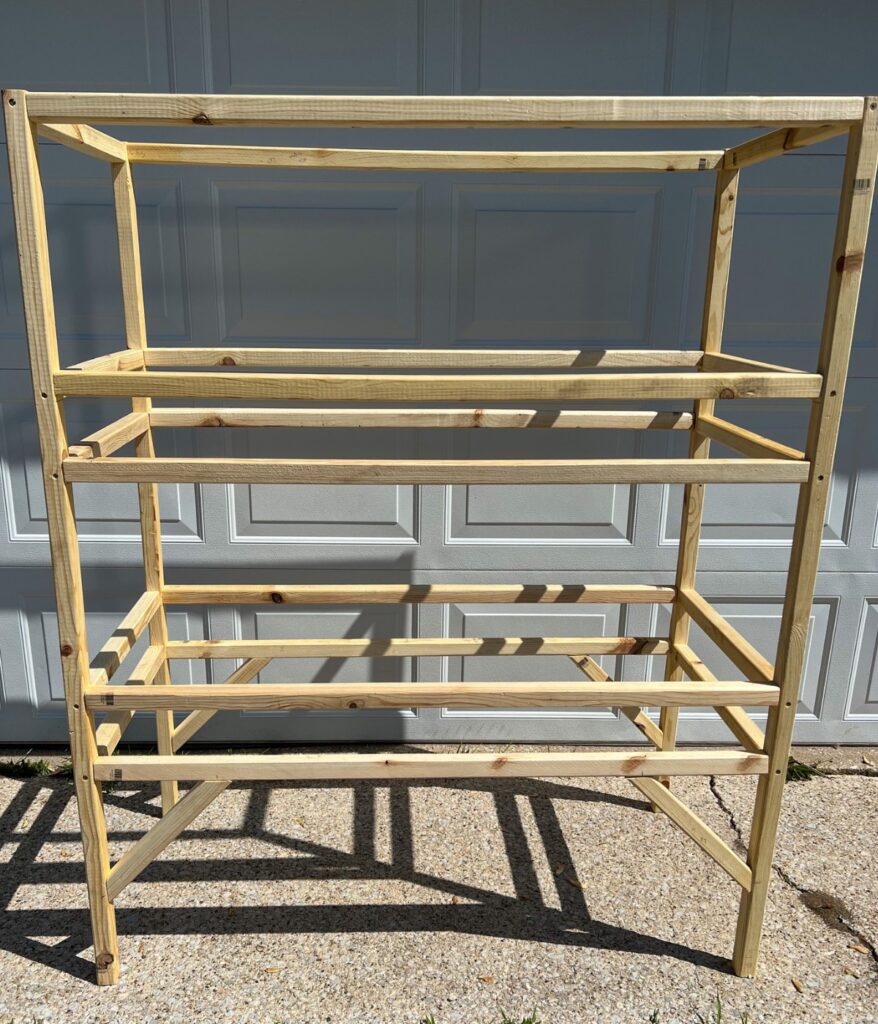
It’s common to see quail being kept in rabbit hutches, where they are perfectly content. We’re in the process of building our own quail hutch with removable trays for easy clean up. One hutch should house around 16-20 quail. We used these build plans from Teal Stone Homestead. They lay it out perfectly! We’re still in the process of building ours, but here’s what we’ve got so far.
Quail are quiet
Quail are perfect for the urban homesteader because of how quiet they are. You can easily keep a flock of quail in the backyard and most neighbors won’t even know you have them. The females are nearly silent, which makes keeping many of them for egg production easy. While the males do crow, it is nothing like a rooster’s crow. I think they sound like song birds, and I would have a hard time differentiating them from the native birds in my neighborhood if I didn’t know the difference.
They mature quickly
Chickens can take 5-6 months from hatching to reach maturity and begin laying eggs. If you’re anything like me, that wait can seem like a lifetime. Quail, on the other hand, only take 6-8 weeks to reach maturity. That’s after a quick 17 day (on average) incubation period. That means more eggs in less time!
Quail make a sustainable meat source
Quail meat is considered a delicacy in many places. It has a lower fat content and higher vitamin A levels than even chicken meat, making it a lean and nutritious option. The taste is often compared to the dark meat of chicken or duck, and many people consider quail to be richer and tastier than chicken meat.
Because of their small size it makes dispatching and processing quail a lot easier. And because of the quick maturity time it can make maintaining a steady production of meat much more simple to start.
The eggs are adorable
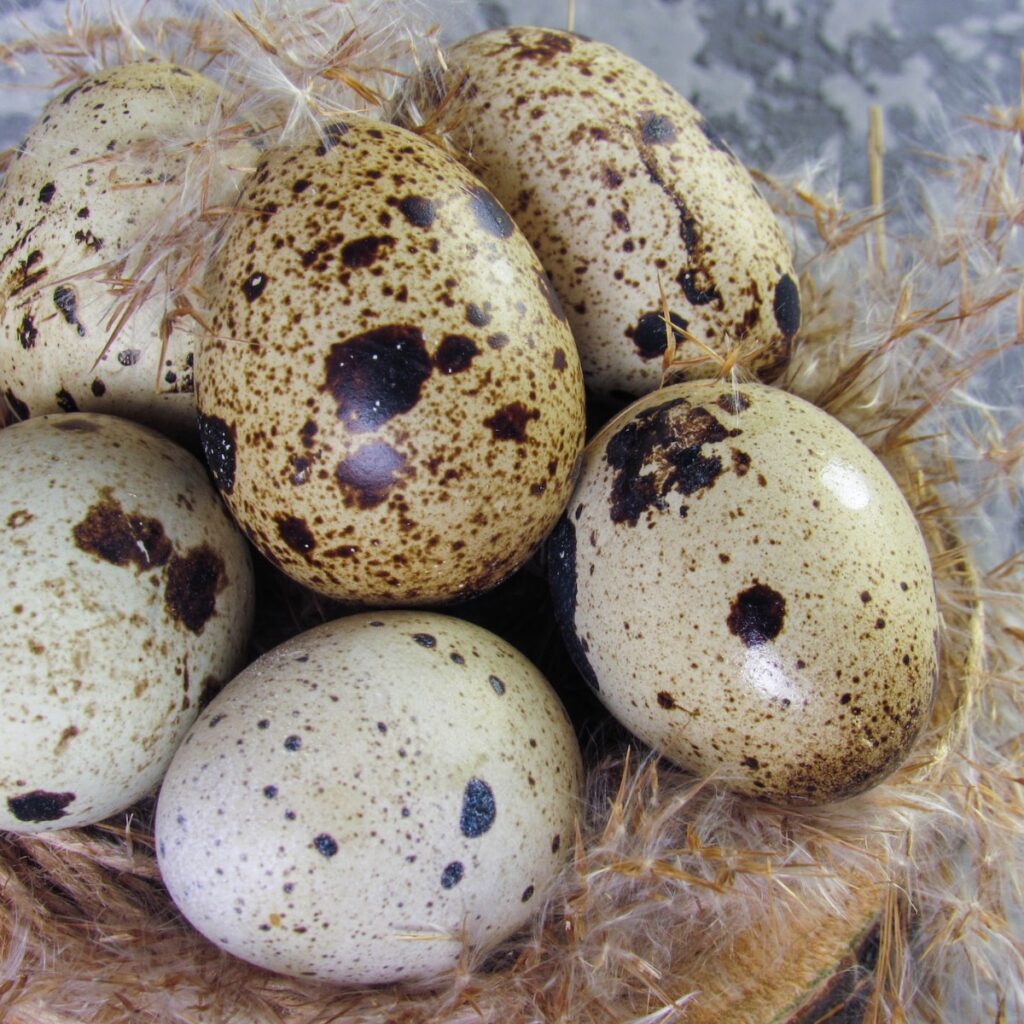
The small size and distinguished patterns of quail eggs make them absolutely adorable! These are eggs that I’m happy to display on my kitchen counter.
Like mentioned above, it does take about 3 quail eggs to equate to one chicken egg. But because you can keep a higher quantity of quail with a small amount of space, it makes it easy to have enough layers to provide breakfast for the family.
If given the proper amount of light, quail can produce eggs for up to 300 days out of the year. Here in Iowa we’ll be supplementing our quail with some extra lights (and warmth) during the winter, but in a warmer and sunnier climate that wouldn’t be a problem. Quail actually do very well in warmer climates, whereas chickens can sometimes take some time off of laying in the summer due to the heat.
Not the perfect pet
Quail have a ton of pros and should definitely be considered when thinking of adding an animal to your urban homestead. But just like with any animal, quail do come with some disadvantages.
- They smell. While this can be somewhat controlled with frequent bedding changes, it is something to consider. Large flocks probably shouldn’t be kept inside your living space.
- They go through a lot of food. They are pretty wasteful when it comes to feed, and while there are feeders that can mitigate this, they need a lot of food compared to how tiny their bodies are.
- They are prey to pretty much everything. From dogs and cats to rats and snakes, it seems like everything is out for a taste of the delicacy that are quail. Because of this it’s important to predator proof your enclosure.
- They need proper light and warmth. Like I mentioned above, quail can lay for most days of the year if given the proper environment. This requires more work on your part though unless you live in an area that stays warm and sunny year round.
A fun adventure
After doing a ton of research, we’ve decided to go ahead and trial out some quail for our urban homestead. We’re almost done with building our hutches and have some supplies on the way. We’ll be starting with some fertilized eggs from a local quail keeper. I’m so excited to show the kids the lifecycle of a bird from incubation to maturity, and cannot wait until we can collect fresh, beautiful eggs every day.
Would you ever consider quail? What about trying out their eggs or meat? And if you’ve kept them before, do you have any tips for a first time quail owner? Let me know in the comments!
Leave a Reply